
Lower first molars emerge early, withstand substantial chewing forces, and have complex internal anatomy. Over time, decay, fractures, or compromised restorations may lead to inflammation or infection that requires endodontic therapy.
Some teeth are more likely to require root canal treatment than others. The mandibular first molars (teeth #19 and #30), are the second to last tooth in the mouth (as long as you don’t have wisdom teeth). They are located on the lower jaw on each side and are among the teeth frequently treated with root canal therapy. At Northwood Endodontics in Dallas, TX, our endodontic team helps patients understand why these teeth are more susceptible to dental problems, recognize potential warning signs early, and know when to seek care.
The mandibular first molars play an important role in chewing and maintaining a healthy, stable bite. Several factors can increase their risk of decay, damage, and infection.
When decay or damage reaches the dental pulp, the soft tissue containing nerves and blood vessels inside the tooth, it can cause inflammation or infection. Root canal treatment may be necessary to address the problem and preserve the natural tooth.
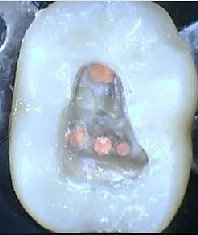
One of the challenges of treating lower first molars is their complex internal structure. These teeth typically have two or three roots, which anchor the tooth in the jaw. Inside each root may contain 2, 3, or 4 small channels called root canals. These canals contain the tooth’s pulp tissue, including nerves and blood vessels supplying your tooth with life.
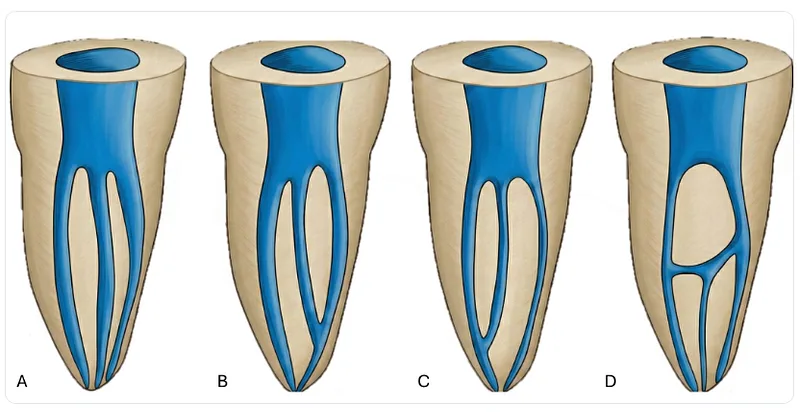
While most lower first molars follow a similar pattern, some have additional canals that can be difficult to detect. One example is the middle mesial canal, a small additional canal located within one of the tooth’s roots. A 2024 systematic review and meta-analysis reported a pooled prevalence of approximately 4.15% for this additional canal in mandibular first molars.
Identifying these variations is important because bacteria left inside an untreated canal can contribute to persistent or recurrent infection. Endodontists receive specialized training to identify and treat complex root canal systems, helping support thorough treatment and long-term tooth preservation.
Figure 1. Variations in middle mesial canal anatomy of mandibular first molars, demonstrating the complexity of the root canal system.
The illustration shows how the internal canal structure of a lower molar can vary from tooth to tooth. Some molars have an additional canal that may be difficult to identify during treatment. Recognizing these differences with microscopic precision helps endodontists locate and treat the canals within the tooth effectively.
Dental pain can have several causes, but certain symptoms may indicate inflammation or infection within the tooth.
Common signs include:
Not every symptom means you need a root canal, and some teeth requiring treatment may not cause noticeable discomfort. If you’re experiencing persistent molar pain or other concerning symptoms, a comprehensive evaluation by a dentist or an endodontist at Northwood Endodontics in Dallas, TX can help identify the cause and determine whether root canal treatment is necessary.
Root canal treatment is designed to remove inflamed or infected pulp tissue, clean and disinfect the root canal system, and seal the canals to help prevent reinfection and preserve your natural tooth.
At Northwood Endodontics, treating mandibular first molars requires careful attention to several important steps:
Successful treatment also involves coordination between the endodontist and the patient’s general dentist. After root canal treatment, patients typically return to their general dentist for the final restoration, helping protect the tooth and maintain its long-term function.
The mandibular first molars are essential to everyday chewing and maintaining a functional bite. When these teeth become damaged or infected, timely evaluation and appropriate treatment can help preserve their function.
At Northwood Endodontics in Dallas, TX, our team focuses on diagnosing tooth pain and providing specialized endodontic care to help patients preserve their natural teeth.
Whether you are experiencing molar pain or have been referred by your general dentist for root canal treatment, our team at Northwood Endodontics is here to help patients in Dallas, TX and the surrounding communities.
Contact Northwood Endodontics to schedule an endodontic evaluation.